Journal / Restoration Ethics
Restoration EthicsWhen a Spine Should Stay Broken
Not every crack is a problem to solve. Sometimes the honest choice is to stabilize the damage and leave it visible.
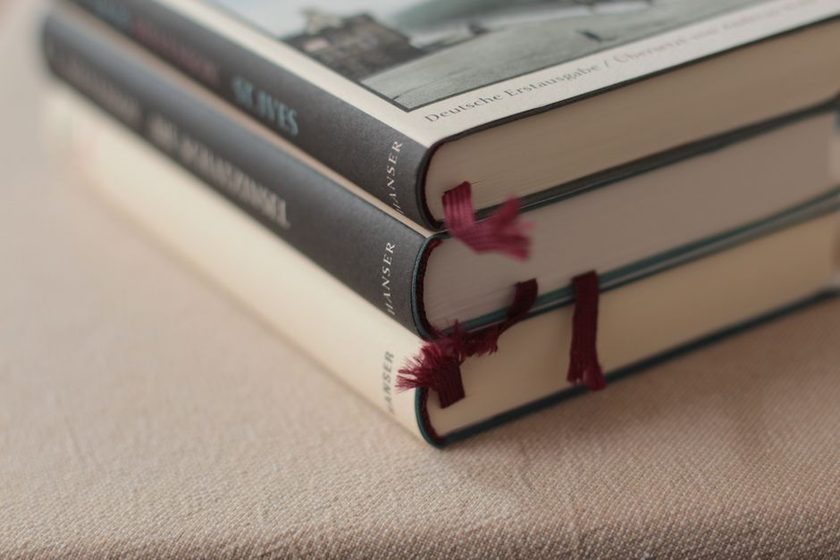
A customer walked in last spring with a family Bible so cracked along the front joint that the board swung loose on a single strip of cloth. She used the word "fix," and what she meant was invisible — as good as new, as if the break had never happened. When we explained what invisible would actually cost, stripping the original spine covering, discarding a strip of leather that had traveled through three generations of hands, replacing it with something we made ourselves, she paused and asked if there was another way. There usually is. A crack is not always a wound that needs closing. Sometimes it is the clearest record a book has of what it survived, and covering it over erases evidence that no rebuild can put back.
A Crack Is Not Always a Defect
Binders are trained to see damage as a problem waiting for a fix, and most of the time that instinct is correct. A detached signature, a torn fold, a spine that no longer holds the boards square — these are structural failures, and structural failures need structural answers. But a crack at the joint of an otherwise sound book belongs to a different category. It tells you the book was opened flat, probably often, probably for reading rather than display. A worn corner tells you where it sat on a shelf. A cracked hinge with the sewing still intact underneath tells you the covering failed before the structure did. None of that is damage in the sense of something gone wrong. It is wear, and wear is information.
Reading What the Damage Recorded
The habit worth holding onto, before any tool touches the book, is separating what happened to it from what is actually wrong with it. That starts with the same discipline behind counting what's really there before doing anything else: you don't decide what a repair needs until you know exactly what you're looking at, fold by fold, break by break. A crack that runs cleanly along one joint and stops is a different animal from cracking that recurs at the same point across several openings — one is an event, the other is a pattern the book will keep repeating no matter what gets done to it. Reading that difference correctly changes the whole plan. Treat an event like a pattern and you over-restore a book that never needed it. Treat a pattern like an event and the crack comes back within the year.
Stabilize, Without Erasing
Where the crack really is just wear, stabilization does the job a rebuild would do, minus the loss. The goal is to keep the break from spreading and keep the boards attached, using materials that consolidate what's already there instead of replacing it.
The book still looks like what happened to it. Run a finger along the joint and you can still feel where it broke, but the boards hold, the crack stops traveling, and the object keeps the only record it will ever have of that particular event.
A spine that has been quietly rebuilt doesn't lie to you. It just stops telling you anything at all.
When Rebuilding Is Still the Right Call
None of this is an argument against rebuilding. Some books need it, and pretending otherwise is its own kind of dishonesty — a spine so far gone it can no longer protect the text block is a structural failure, not a record worth preserving. The distinction worth holding onto is between damage that threatens the book going forward and damage that only describes what already happened to it.
| Condition of the spine | What it usually indicates | Typical approach |
|---|---|---|
| Single clean crack at the joint, boards still attached | Opened flat often; structure otherwise sound | Consolidate along the crack line, no rebuild |
| Cracking that repeats at the same fold across the text block | Grain mismatch from the original binding | Rebuild only if the volume needs daily handling |
| Spine detached, sewing intact underneath | Covering material failed, not the structure | Reattach or match the spine piece; sewing untouched |
| Old repair tape or glue masking a prior break | A previous attempt to hide the history | Remove the failing repair, stabilize honestly |
| Provenance marks near the damage — inscriptions, shelf wear, a binder's ticket | Wear that is itself part of the object's record | Leave visible; treat only for stability |
Grain direction matters here too. A spine that keeps cracking at the same fold, the kind covered in why a fold cut against the grain fails on a predictable line, is telling you the original stock was cut the wrong way, and no amount of careful stabilizing stops it from happening again. That's a structural problem wearing the costume of a wear pattern, and it needs to be treated like one.
Naming the Decision Out Loud
The part of this that actually matters to the person handing you the book is saying the choice out loud before making it, not after. We tell an owner plainly: this spine can be rebuilt to look new, or it can be stabilized to look like what it is, and here is what each choice keeps and what it gives up. Most people, once the tradeoff is named, choose to keep the history. A few don't, and that's a legitimate choice too — a book that needs to function daily on a desk has different requirements than one that sits closed on a shelf. What doesn't happen here is making that call silently, on the owner's behalf, by defaulting to whichever repair looks more finished when it's done.